Automated Guided Vehicles (AGVs)

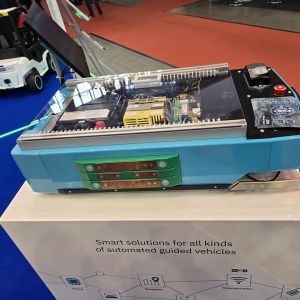
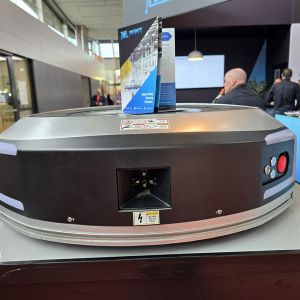
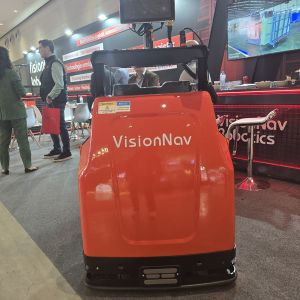
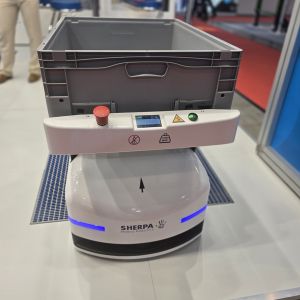
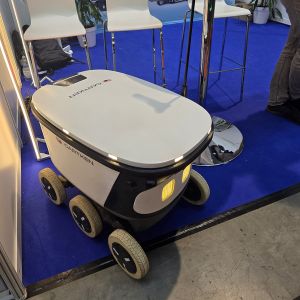
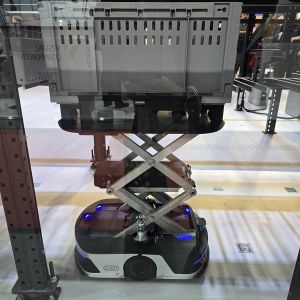
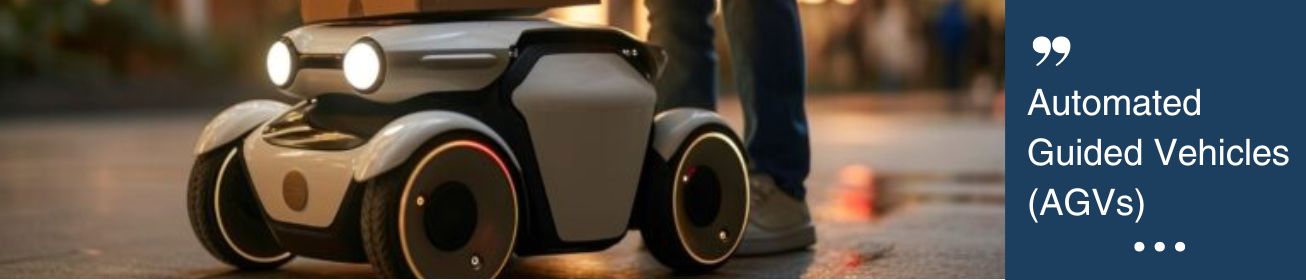
Automated Guided Vehicles (AGVs) are self-navigating systems widely used in warehouses, manufacturing plants, logistics hubs, and hospitals. These intelligent machines rely heavily on robust, efficient, and compact power supplies to operate safely, continuously, and without human intervention.

AGV power supplies must deliver:

  • Reliable power in motion, often under vibration and harsh conditions
  • Fast, flexible charging solutions, including wireless and opportunity charging
  • Battery management systems for real-time health monitoring
  • Compact and modular form factors to fit into lightweight robotic chassis

Across the UK and USA, AGVs are being deployed in smart warehouses and large fulfillment centers, requiring scalable and energy-efficient power systems. In Japan and Taiwan, where space and precision are critical, AGVs demand compact, high-density power designs. Meanwhile, China’s automation boom is driving the need for cost-effective, mass-adoptable power solutions.

Let’s Drive Automation Together

Connect with us today

    WAWT’s Expertise in AGV Wireless Charging

    Wireless Charging solutions for AGVs are evolving rapidly to meet the demands of autonomous navigation, 24/7 uptime, and flexible manufacturing environments. Key technology drivers include:

    • High-efficiency DC-DC converters to reduce weight and heat
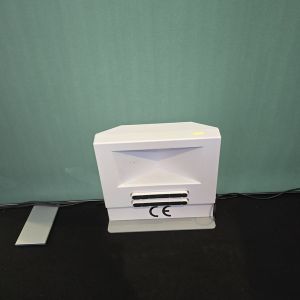
    • Wireless power transfer (WPT) for automated, contactless charging
    • Modular battery packs and intelligent charging stations
    • Telemetry-enabled power systems for predictive maintenance

    Next-gen AGV systems are integrating smart battery analytics, fast charge protocols, and AI-driven energy optimization, enabling maximum fleet uptime and reduced maintenance.

    At WAWT, we recognize regional shifts in power requirements—such as wireless charging innovation in the US, compact Battery Management System integration in Japan, and standardized power modules scaling rapidly in China. Our insights help manufacturers, integrators, and logistics companies make informed, future-ready technology investments globally.

    Latest Insights and Blogs on AGV and AMR

    • February 23 2026
    • Dinesh Kithany

    Why Wireless Charging of AGVs/AMRs Is Essential for 24/7 Autonomous Operations

    As factories, warehouses, and logistics hubs move toward full automation, the expectation is simple: robots must work continuously without human interruption. Autonomous Mobile Robots (AMRs) and Automated Guided Vehicles (AGVs) […]

    Read More
    • November 17 2025
    • Dinesh Kithany

    Growth of Autonomous Mobile Robots (AMRs): Market Size, Key Trends & Power Innovations

    Growth of Autonomous Mobile Robots (AMRs): Market Size, Key Trends & Power Innovations Autonomous Mobile Robots (AMRs) have become one of the fastest-growing application within industrial automation, reshaping workflows across […]

    Read More
    • March 20 2025
    • Dinesh Kithany

    Wireless Charging Promising For AGV and AMR Fleets in Industrial Sector

    Wireless Charging in AGVs & AMRs: Technology, Trends, and Industrial Impact Automated Guided Vehicles (AGVs) and Autonomous Mobile Robots (AMRs) are robotic systems are used for material handling, warehousing, and […]

    Read More


    Events Highlights

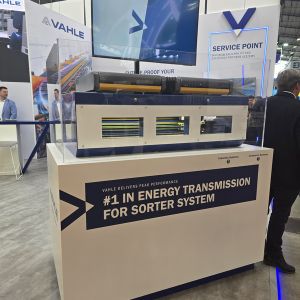
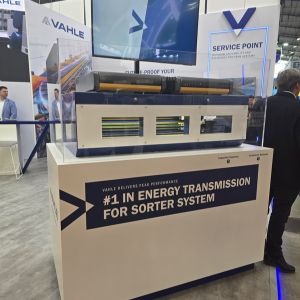
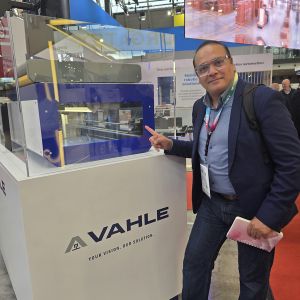
    LogiMAT 2025: Shaping the Future of Intralogistics Through Innovation

    Innovation took center stage at LogiMAT 2025 in Stuttgart, redefining the future of intralogistics. With nearly 1,600 exhibitors and a strong global presence, the event highlighted major advancements in AI, digitization, sustainability, and automation.

    One of the most talked-about developments was wireless charging for AGVs (Automated Guided Vehicles) and AMRs (Autonomous Mobile Robots), enabling seamless automation and significantly reducing downtime for industrial robotics.

    The growing integration of digital twins, simulation software, and ERP systems is transforming industrial efficiency at an unprecedented pace.

    As wireless power adoption accelerates, the industry is clearly moving toward interoperable, scalable, and future-ready solutions.

    WAWT was actively present at the event, capturing insights and engaging in conversations around the latest trends in wireless power and power supply technologies.

    QnA

    Most commonly asked questions about the AGV AMR

    click to view more questions

    What are the main limitations of using traditional charging methods for AGVs/AMRs?

    Traditional charging methods require manual intervention, which leads to downtime and inefficiencies. AGVs/AMRs must be physically connected to charging stations. Manual charging may require extra robots to compensate for those being charged, leading to increased costs and logistical challenges.

    How does wireless charging improve the productivity of AGVs/AMRs?

    Wireless charging eliminates human intervention by enabling automatic recharging, either while AGVs/AMRs are in operation (dynamic wireless charging) or during scheduled downtime (quasi-dynamic wireless charging). This enhances workflow efficiency, reduces downtime, and supports full automation in production and warehousing facilities.

    What are the key challenges associated with wireless charging for AGVs/AMRs?

    The major challenges include precise alignment requirements for inductive charging, limited charging range (typically up to 4 cm), and potential interference from external electromagnetic fields or nearby conductive materials. Additionally, different wireless charging technologies, such as capacitive coupling, can face disruptions due to interference from metal surfaces or human presence.

    How is the industry addressing the alignment issues related to wireless charging?

    One innovative approach is integrating dual coils within AGVs, making them more tolerant of misalignment during charging. This enhances their autonomy by allowing them to position themselves more flexibly at charging stations. New research is focusing on optimizing transmitter designs and dynamic routing algorithms to improve efficiency and reduce downtime.