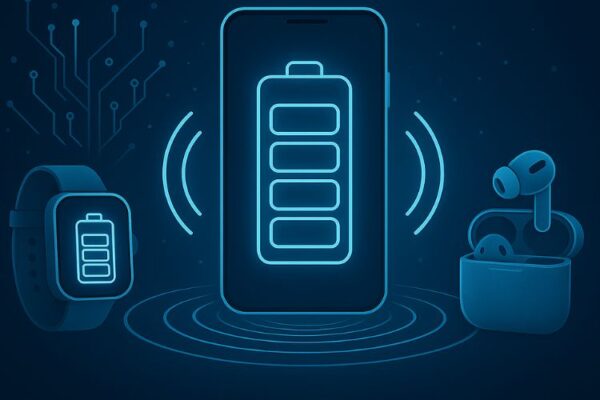
In a world where technology is evolving at lightning speed, one area that continues to spark interest is power delivery for devices. Specifically, the integration of battery technology within the wireless-powered devices. As our lifestyles increasingly demand mobile and unrestricted connectivity, this evolving technology promises to make a significant impact. This article will explore the advancements in the wireless power technology, the role of batteries in this ecosystem, and what the future might hold about seamless integration of batteries with wireless power technology.
An Overview of Wireless Powered Devices
Before diving into the heart of battery integration, it’s important to understand the basics of wireless-powered devices. These are gadgets that wirelessly receive energy/power through electromagnetic fields instead of traditional physical connections like wires or cables.
Key Wireless Power Technologies
Several technologies support the transmission of energy without wires and cables:
Inductive Coupling: Currently used in devices like smartphones, smartwatches and electric toothbrushes as the most common ‘tightly coupled’ form of wireless charging.
Resonant Inductive Coupling: A relatively advanced form of ‘loosely coupled’ wireless charging technology where devices are charged over a shorter distance.
NFC Wireless Charging: Similar to the resonant form of wireless charging, except that devices are wirelessly charged over lesser distance and at different frequency, and possibly at lower power levels.
RF / Energy Harvesting: This form of wireless charging/power converts radio frequencies (waves) into usable electrical power, over larger distance (much more than resonant form). This is being explored for small IoT devices.
Other wireless power technologies: Include use of infrared, ultrasonic, microwave, mmWave and others, use to charge over longer distances.
To discuss the latest market trends and insights
Each of these technologies comes with its own benefits and challenges, especially when integrating with battery systems.
The Role of Batteries in Wireless-Powered Devices
Batteries play an essential role in not just storing energy but ensuring that devices work seamlessly with wireless power technologies.
Existing Challenges
As wireless charging is growing to gain mainstream status, there are challenges (some listed below) which needs to be addresses about battery integration:
Efficiency: Wireless charging/power technologies are considered less efficient than the wired/cable form of charging/power. Such efficiency levels of energy transmission can affect integration, thermal management, performance, and the life of batteries.
Heat Generation: Wireless charging can heat up devices, impacting battery health over time, thus needs an efficient thermal management system.
Compatibility and Standardization: Different devices and wireless chargers may not always be compatible with each other (interoperable), leading to ineffective delivery of power.
To overcome these challenges, manufacturers are exploring innovative battery designs and materials, some listed below.
Innovations in Battery Technology
Innovation is the backbone of progress, including in the battery technology. Recent developments are paving the way for more efficient design and integration of battery technology with wireless power systems. Objective is also to reduce the burden of batteries with use of wireless power i.e. reducing the size of batteries or less or no use of batteries with the integration of wireless power.
Advanced Materials and Designs
Researchers are investigating new materials to improve battery capacity and lifespan. For example:
- Solid-State Batteries: Promising greater efficiency and safety compared to lithium-ion batteries.
- Graphene Batteries: Known for their high conductivity and lightweight properties, presenting possibilities for faster charging.
Manufacturers are also playing with design, such as flat, flexible batteries, to better suit diverse device shapes.
Smart Battery Management Systems
With the growth and faster adoption of communication and IoT technologies, smart battery management systems are also becoming crucial to optimize usage and lifespan within devices utilizing wireless charger/power.
These systems monitor and regulate internal battery conditions in real-time, adjusting factors like charging speed to prevent overheating or overcharging.
Envisioning the Future
The future of battery integration in wireless-powered devices seems promising, thanks to ongoing innovations.
Potential Developments
Let’s consider what might unfold:
- Universal Compatibility: Advancement could lead toward creating universal standards for batteries and wireless power, increasing compatibility and interoperability.
- Extended Life: Improvements in battery technology might ensure a longer lifespan of the batteries and overall device, even under extensive use.
- Reduced Size and Weight: Smaller, lighter batteries could lead to more compact device designs without sacrificing performance. This also positively impacts the efficiency in operating these devices with lesser payload due to small size batteries
- Environmental impact: Lesser or no batteries obviously have a positive impact over environment, contributing to the greener planet initiatives and decreasing carbon footprints.
- Birth to new devices/new possibilities: Advancement in battery technology as well as wireless power/charging technologies is giving birth to newer emerging devices, which otherwise wouldn’t have been possible (through use of wireless/cable charging). This creating new use-cases.
By addressing current limitations, the industry aims to provide users with reliable, safe, and fast wireless charging/power solutions.
To discuss the latest market trends and insights
Conclusion
As we look forward, the integration of batteries in wireless-powered devices will likely transform our relationship with either technology. By combining cutting-edge battery materials, innovative designs, and smart battery management systems, the future holds a promise of unfettered mobility and endless connectivity. For tech enthusiasts, developers, and consumers alike, it’s an exciting frontier with potential to redefine how we power and use our devices daily.
About WAWT
Wired and Wireless Technology (WAWT)™ is the leading and most trustworthy strategic technology analyst and consulting firm focusing on the wireless power and power supply industry. No one covers these market segments with such depth and width as WAWT does, to deliver market insights and intelligence to our esteemed customers and industry associates. Our subject matter has more than 30 years of experience working across technology sectors, with nearly 10 years in the field of wireless power and power supply, with an competitive edge of covering more than 15 key industry events and trade shows related to these technology sectors.
WAWT’s Wireless Power Intelligence Service, is the most comprehensive research on the wireless power market covering all type of wireless power technologies, and its adoption across more than 30 key application markets, irrespective of their battery profiles, and power levels. This intelligence service offers critical market data, trends, insights and market intelligence. WAWT‘s report is an invaluable resource for businesses seeking to understand the wireless power technology market landscape, application markets, and help them in making informed decisions, and stay competitive in this dynamic industry.
Our brochure and sample reports highlighting the scope and coverage of our research solutions.
Feel free to reach out to our subject matter experts (SMEs) by emailing us at analyst@wawt.tech and following WAWT’s LinkedIn page (WAWT) for the latest market trends, insights and updates on the wireless power/charging and allied technologies.